March 11, 2026
In the realm of home maintenance, roofing often stands out as a cornerstone of protection and functionality. Professional roofing contractors play a pivotal role in extending the life of this essential structure. A well-maintained roof shields the interior of a home from weather exposure, moisture infiltration, and structural deterioration. When installed and maintained properly, a roofing system can last decades while protecting the investment homeowners have made in their property. According to IBISWorld, the revenue of the American roofing industry exceeds $99.8 billion as of 2025, reflecting the significant demand for skilled professionals who help homeowners maintain safe and durable roofing systems.
Regular Inspections and Maintenance
Early Problem Detection
Routine inspections are one of the most effective ways to extend the lifespan of a roof. Experienced roofing contractors understand that minor problems often develop long before they become visible to homeowners. By carefully examining shingles, flashing, and structural components, professionals can identify early warning signs of deterioration. Detecting small issues such as loose shingles or minor leaks prevents them from developing into widespread structural damage.
Proactive Roof Care Strategies
Consistent inspections also help homeowners maintain a proactive approach to roof care. Instead of waiting for visible leaks or major storm damage, periodic evaluations allow professionals to intervene early. This preventive strategy reduces long-term repair costs while helping maintain the structural integrity of the entire roofing system.
Seasonal Inspection Scheduling
Scheduling inspections twice a year is commonly recommended by industry professionals. Spring and fall evaluations allow experts to assess damage caused by seasonal weather conditions such as winter ice or summer heat. Regular assessments create a maintenance timeline that keeps small repairs manageable and prevents the accumulation of long-term structural stress.
Roof Condition Documentation
Professional maintenance also includes documenting roof conditions after each inspection. Maintaining detailed records allows homeowners and service providers to track patterns of wear over time. When problems arise, this documentation provides valuable insights into how the roof has aged and which areas require the most attention.
Proper Installation Practices
Manufacturer Guideline Compliance
Correct installation plays a fundamental role in determining how long a roof will last. Skilled roofing contractors follow manufacturer specifications closely to ensure that materials perform as intended. Roofing systems are engineered with precise installation guidelines, and deviations from these standards can significantly reduce durability and void product warranties.
Underlayment Protection
One of the most important aspects of installation is the quality of the underlayment. This protective layer sits beneath the outer roofing material and acts as a barrier against moisture intrusion. High-quality underlayment adds an additional level of protection against rain, snow, and wind-driven moisture that might otherwise penetrate the roof structure.
Secure Fastening Systems
Another critical installation component involves fastening systems. Properly secured shingles, tiles, or metal panels prevent wind uplift and structural shifting. Skilled professionals understand how different materials require unique fastening techniques based on environmental conditions such as regional wind speeds or heavy snowfall.
Flashing Installation Methods
Flashing installation is equally important for preventing water infiltration. Areas surrounding chimneys, skylights, and roof valleys are especially vulnerable to leaks. Properly installed flashing channels water away from these vulnerable points and reinforces the roof’s overall protective design.
Roof Ventilation Systems
Ventilation also contributes significantly to roof longevity. Adequate airflow beneath the roof deck prevents excessive heat and moisture buildup. Without proper ventilation, trapped heat can cause roofing materials to deteriorate prematurely while moisture can encourage mold growth and wood rot.
Effective Repair Strategies
Storm Damage Identification
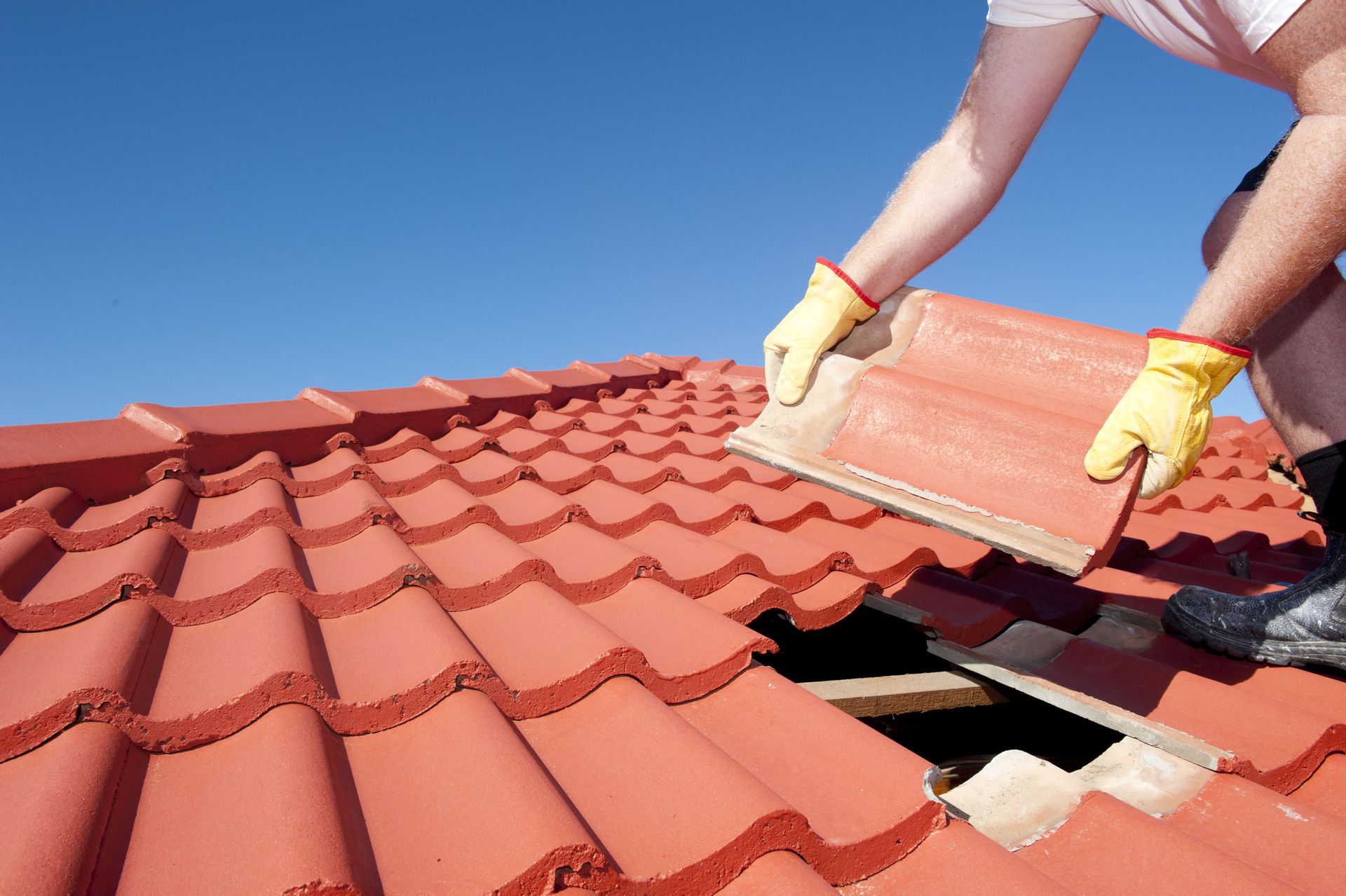
Timely repairs are another key factor in preserving a roof’s condition. Professional roofing contractors are trained to identify damage caused by storms, aging materials, or environmental exposure. Addressing issues such as missing shingles, cracked flashing, or minor leaks quickly helps prevent more extensive structural deterioration.
Weather-Related Damage Response
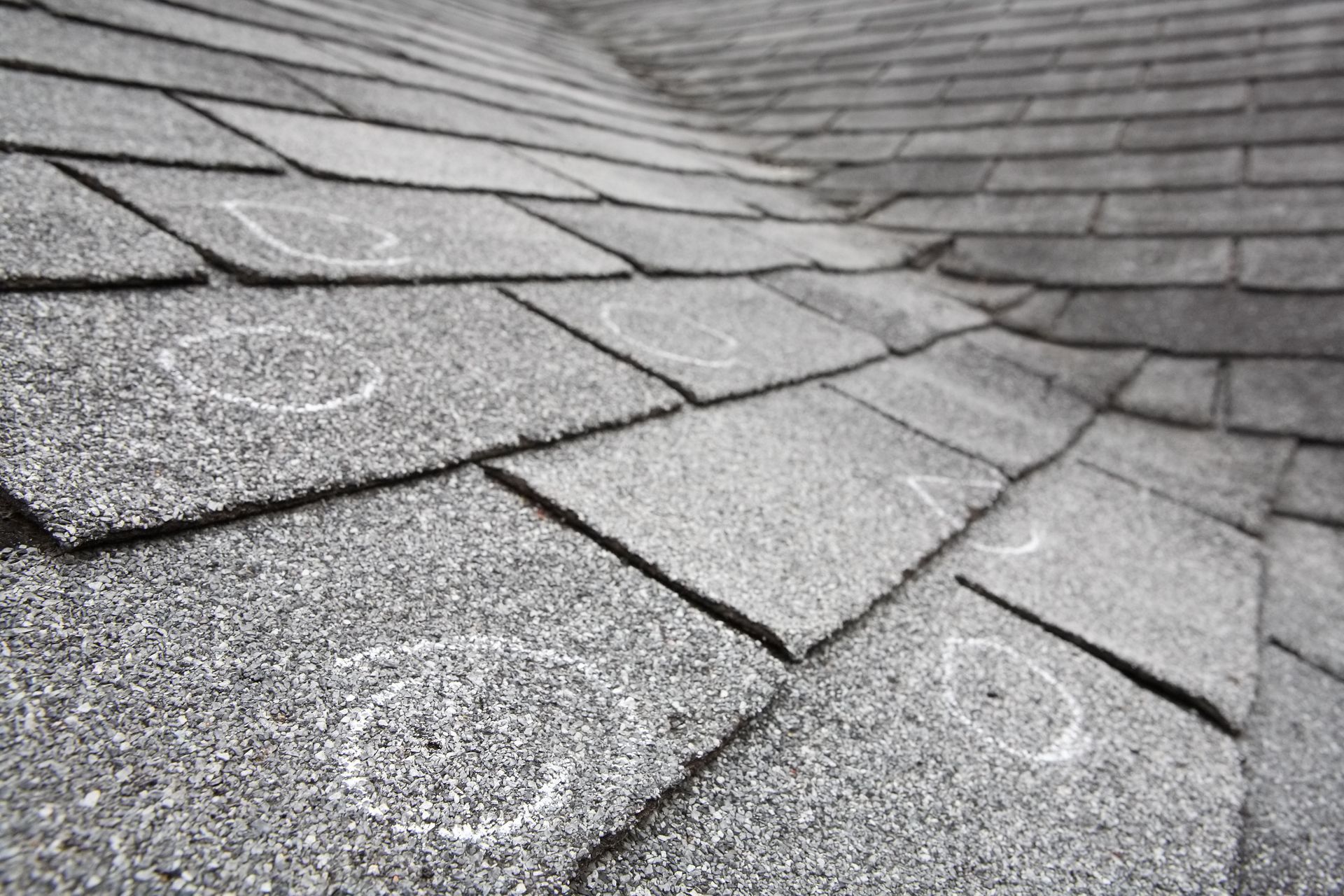
Weather-related damage is one of the most common causes of roofing problems. High winds can loosen materials, while hailstorms may create small punctures that gradually worsen over time. Early intervention allows repair teams to restore damaged sections before moisture infiltration spreads to the underlying structure.
Emergency Roof Stabilization
Emergency repair services are also essential after severe weather events. Quick response times help prevent additional complications such as interior water damage or mold development. Temporary protective measures, such as tarping exposed areas, can stabilize a roof until permanent repairs are completed.
Correction of Improper Repairs
Another aspect of professional repair work involves correcting previous improper fixes. Occasionally, homeowners discover that earlier repair attempts were incomplete or poorly executed. Skilled technicians evaluate these areas carefully and implement long-term solutions that restore the roof’s structural stability.
Durable Repair Materials
High-quality repair materials further enhance the durability of completed repairs. Durable components designed for harsh weather conditions help reinforce vulnerable sections of the roof. By prioritizing strong materials and precise workmanship, repair professionals contribute significantly to long-term roof performance.
Preventive Maintenance Practices
Routine Roof Cleaning
Preventive care remains one of the most effective strategies recommended by roofing contractors for extending roof lifespan. Maintenance practices often involve routine cleaning, inspection of drainage systems, and monitoring of nearby environmental conditions. These steps help reduce stress on roofing materials and prevent moisture accumulation.
Gutter System Maintenance
Gutter maintenance plays a particularly important role in roof health. When gutters become clogged with leaves or debris, water may overflow and collect near the roofline. This standing moisture can gradually damage shingles, fascia boards, and structural supports. Regular gutter cleaning helps ensure that rainwater flows safely away from the home.
Landscape Management
Homeowners can also protect their roofs by managing surrounding landscaping. Overhanging tree branches may scrape roofing materials during windy conditions or drop debris that clogs drainage systems. Strategic tree trimming reduces these risks while also minimizing the chance of branches falling onto the roof during storms.
Seasonal Roof Preparation
Seasonal preparation is another preventive measure that protects roofing systems. Winter weather, for example, can create ice dams that trap melting snow along roof edges. Preventive strategies such as improving insulation and clearing heavy snow buildup help minimize structural stress during colder months.
Homeowner Education
Educating homeowners about these preventive techniques strengthens the long-term partnership between homeowners and professionals. When property owners understand the early warning signs of roofing issues, they can seek assistance sooner and prevent larger repairs.
Emerging Roofing Technology
Advanced Roofing Materials
Technological advancements continue to influence how roofing contractors maintain and protect modern roofing systems. New materials and monitoring tools allow professionals to detect issues more accurately and implement long-lasting solutions. These innovations improve durability while also enhancing energy efficiency.
Impact-Resistant Roofing Products
Advanced roofing materials now include impact-resistant shingles and specialized coatings designed to withstand extreme weather conditions. These materials are engineered to resist cracking, fading, and moisture penetration. As a result, roofs constructed with these advanced materials often require fewer repairs over time.
Smart Roof Monitoring Systems
Smart roofing technology has also introduced monitoring systems capable of detecting moisture or temperature changes within the roofing structure. Sensors installed beneath roofing materials can alert homeowners to potential leaks or insulation issues before visible damage occurs. Early detection allows maintenance teams to intervene before significant damage develops.
Sustainable Roofing Solutions
Eco-friendly roofing options have gained popularity as well. Sustainable materials such as recycled shingles, reflective coatings, and solar roofing panels contribute to energy efficiency while reducing environmental impact. These solutions provide both long-term cost savings and environmental benefits for homeowners.
When homeowners invest in professional roofing care and follow recommended maintenance practices, their roofs can remain strong and reliable for decades. By working closely with knowledgeable professionals and staying proactive about roof maintenance, property owners can safeguard their homes while maximizing the lifespan of one of their most important structural components. Contact Skyrise Roofing & Gutters today and learn more about our roofing contractors.